
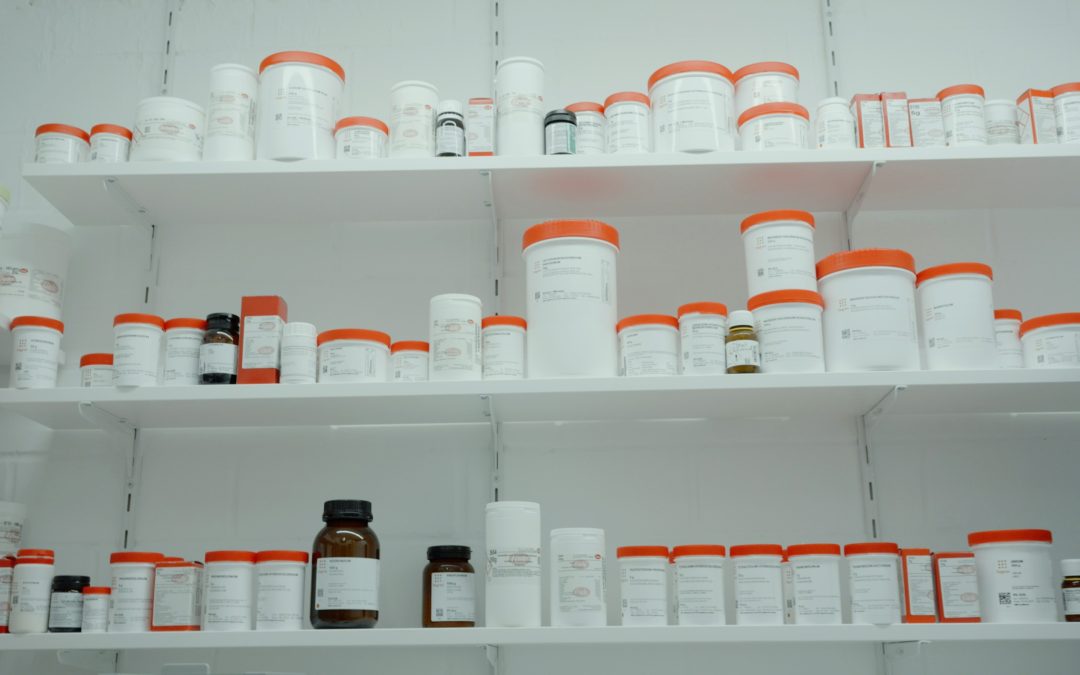
Precision and Efficiency in Pharmaceutical Vial Labeling
Labeling Vials in the Pharmaceutical Industry
In pharmaceutical manufacturing, labeling goes far beyond simple branding — it is a critical component of product safety, regulatory compliance, and traceability. From vials containing life-saving injectables to bottles of oral solutions and diagnostic reagents, each container must be labeled accurately, consistently, and efficiently to protect patients and maintain quality standards.
Manual label application is no longer sufficient for modern production demands. It is slow, prone to human error, and unable to keep pace with high-volume output or strict regulatory requirements. Automated labeling solutions are now central to pharmaceutical packaging operations, delivering speed, repeatability, and precision that manual processes can’t match.
In this context, equipment from Accent Label Automation stands out as a reliable solution for vial and container labeling needs.
Automatic Tube and Vial Labeling with the APEL40R Tube Labeler
Accent Label Tube Labeling – APEL40R
The APEL40R Tube Labeler from Accent Label Automation is engineered for cylindrical containers such as tubes and vials. Its design reflects the pharmaceutical industry’s need for high precision even at speed, making it suitable for labeling small diameter vials where placement accuracy is non-negotiable.
Key features include:
- Precise label placement: The system guides each vial between side guides and secures labels under an overhead wrap belt, ensuring consistent application every cycle.
- Adaptability: It accommodates both tapered and straight containers, providing flexibility across various formats.
- Optional print integration: Inline thermal transfer printing upgrades allow variable data — such as lot numbers, expiration dates, or barcodes — to be applied seamlessly as part of the labeling process.
- High throughput: With a high dispense speed and options for wider label heads, the APEL40R keeps pace with demanding pharmaceutical packaging lines.
By automating tube and vial labeling, manufacturers can significantly reduce labeling errors, improve production throughput, and maintain consistency even across shifting product lines — all crucial for compliance and patient safety.
Bottle and Side Labeling with the APEL50 Side Labeler
Bottle & Side Labeling Equipment – APEL50
While vials are often the focus in pharmaceutical labeling, there are many products that come in larger cylindrical containers — including bottles for syrups, reagents, and ancillary solutions. The APEL50 Side Labeler handles these demands with equal precision.
Highlights of the APEL50 include:
- Wrap-around application: Labels are applied as containers rotate through a wrap belt system, ensuring secure adhesion and smooth, wrinkle-free finish.
- Automatic spacing: A metering wheel spaces upright containers to maintain consistent label application and avoid downtime or jams.
- Flexibility: Options for lid labeling, top applicators, and integration with existing conveyors make this system a versatile choice for many pharmaceutical packaging formats.
- Customization: The machine supports upgrades like extended label height, print applicators, and length modifications for conveyors to suit unique operational needs.
For pharmaceutical manufacturers with diverse product portfolios, the APEL50 brings efficient and adaptable labeling capability to the production line, helping companies scale output without sacrificing quality or compliance.
Why Automated Labeling Matters for Pharmaceuticals
Automated labeling systems like the APEL40R and APEL50 are not just about speed — they support the broader goals of pharmaceutical operations:
- Regulatory compliance: Accurate label placement and print integration help meet global regulatory standards for traceability and information clarity.
- Reduced labor costs: Automation cuts reliance on manual labor, lowering error rates and freeing staff to focus on higher-value tasks.
- Increased throughput: High-speed label application keeps production lines moving, essential in industries with tight delivery schedules and high volumes.
Whether labeling small-diameter vials or larger bottles, investing in the right equipment ensures consistent quality, improved operational efficiency, and long-term cost savings — all vital to success in pharmaceutical manufacturing.
Conclusion
Accurate and efficient labeling is essential in the pharmaceutical industry. Machines like the APEL40R Tube Labeler and APEL50 Side Labeler from Accent Label Automation offer precision, flexibility, and integration capabilities that meet the demands of modern pharmaceutical packaging. By automating labeling processes, manufacturers reduce errors, increase throughput, and support regulatory compliance — building a foundation for better product safety and operational excellence.